
Audit Compliance
0
%
Reduced Pest-Related Complaints
0
%
to Minimize Repeat Infestations
0
months
Adherence to Hygiene Protocols
0
%
Client Context and Key Challenges
A premier engineering and research institution with residential facilities, food courts, academic buildings, and common areas was facing recurring pest infestations that affected hygiene standards and operational efficiency.
Key challenges included:
- Frequent pest infestations in common areas and food handling zones.
- Reactive pest control measures with limited long-term effectiveness.
- Lack of preventive monitoring and risk assessment mechanisms.
- Recurring complaints from students, staff, and facility users.
- Need to strengthen hygiene standards and audit preparedness.
Our Solution & Approach
To address these challenges, we implemented:
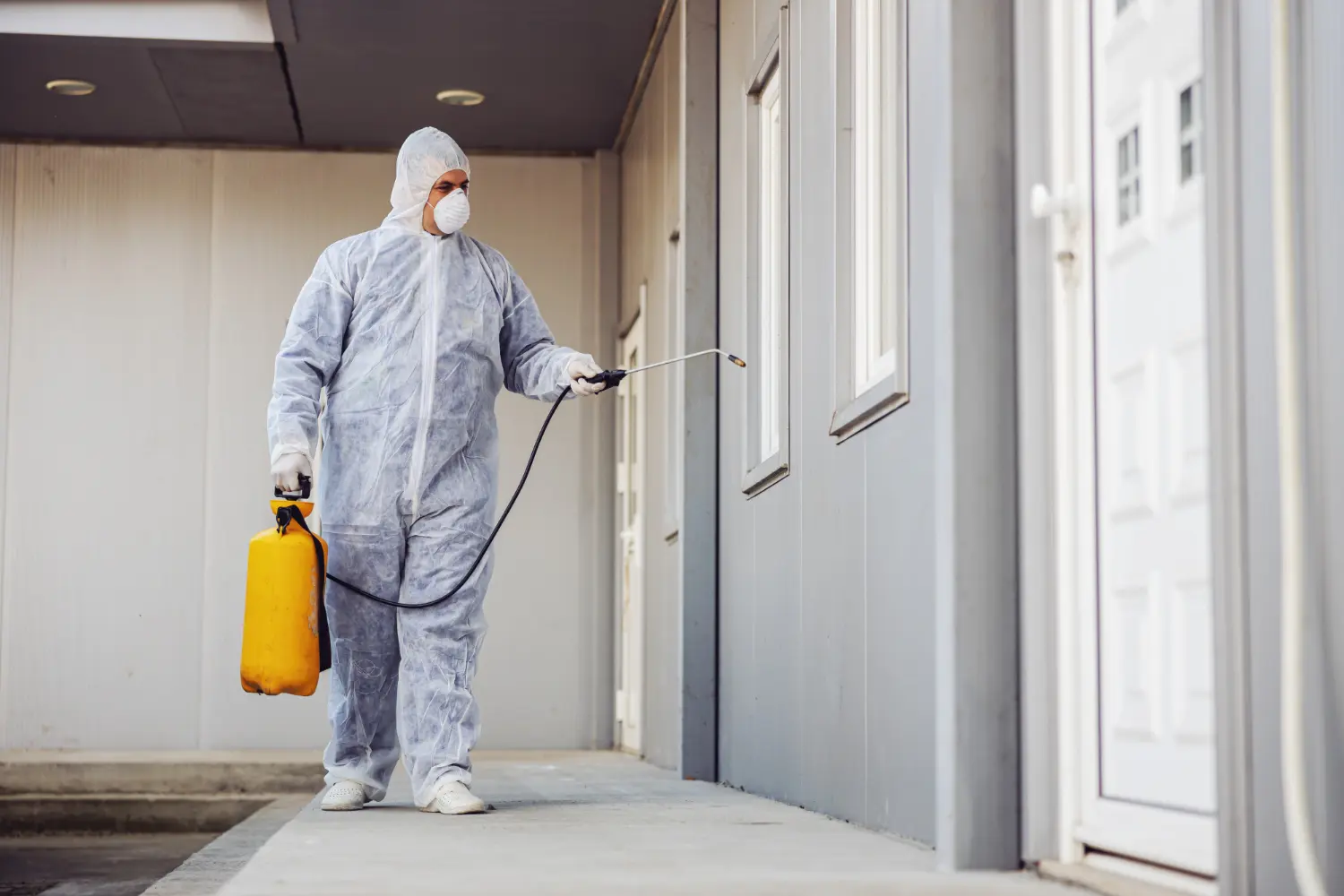
- An Integrated Pest Management (IPM) program focused on prevention, monitoring, and control.
- Scheduled pest control treatments across critical and high-risk areas.
- Detailed root-cause analysis to identify infestation sources and vulnerable zones.
- Preventive inspection schedules and monitoring mechanisms for early detection.
- Hygiene awareness programs for facility users and operational staff.
- Regular audits, reporting, and corrective action plans to ensure sustained pest control effectiveness.
Benefits to Client
- Improved hygiene standards across academic, residential, and food service areas.
- Reduced risk of pest-related disruptions and health concerns.
- Enhanced compliance with institutional and audit requirements.
- Better visibility into pest control activities and preventive measures.
- Improved stakeholder confidence in campus cleanliness and facility management.
Business Impact / Achievements
- 70% reduction in pest-related complaints within the first phase of implementation.
- 100% audit compliance achieved through systematic monitoring and control measures.
- Repeat infestations minimized within 3 months, ensuring sustainable pest management outcomes.
- Significant improvement in hygiene and sanitation standards across critical facility areas.
- Enhanced preventive monitoring effectiveness, enabling faster identification and resolution of pest risks.